CategoriesNieuws

Woonkloof groeit: starters en doorstromers leven op twee verschillende woningmarkten

Stel je voor: twee kopers staan voor hetzelfde rijtjeshuis. De een is starter, spaart al jaren en moet alles op alles zetten. De ander verkoopt eerst de eigen woning, casht de overwaarde en stapt fluitend de notaris binnen. Dat verschil was er altijd al, maar het wordt groter. Veel groter.

Uit nieuwe kwartaalcijfers van het Hypotheken Data Netwerk (HDN) blijkt dat de kloof tussen starters en doorstromers op de Nederlandse woningmarkt in het eerste kwartaal van 2026 verder is toegenomen. En dat terwijl de markt als geheel best aardig draaide.

Een kwartaal van twee gezichten

Het eerste kwartaal begon rustig. Tot en met begin maart lagen de hypotheekaanvragen ruim 14 procent lager dan een jaar eerder. Weinig reden tot optimisme, zou je denken. Maar toen draaide het sentiment. In de derde week van maart explodeerde het aantal aanvragen. Met 22.723 aanvragen in een enkele week werd zelfs een record gebroken.

Wat was er aan de hand? Geopolitieke spanningen duwden de hypotheekrente omhoog, en wie twijfelde over een aankoop besloot ineens snel te handelen. Het klassieke patroon: onzekerheid jaagt mensen juist naar actie. Door die sterke eindsprint kwam het kwartaal uit op 146.814 aanvragen, een plus van 3,3 procent ten opzichte van vorig jaar.

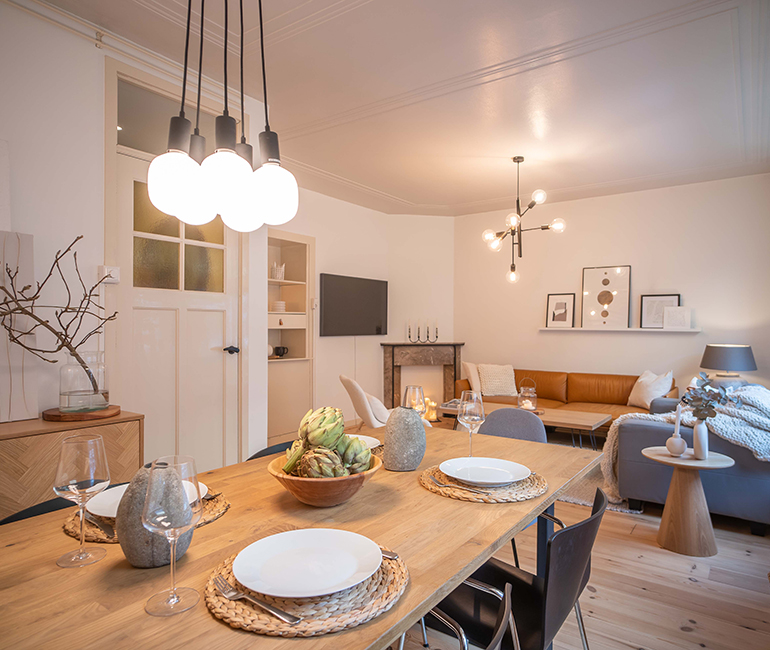
Starter bekijkt woning
Starters moeten steeds meer eigen geld meebrengen bij de aankoop van een woning

Starters trekken aan het kortste eind

Maar achter die cijfers schuilt een minder rooskleurig verhaal. Starters moeten gemiddeld meer eigen geld meebrengen dan een jaar geleden. Ze lenen tegelijkertijd relatief meer ten opzichte van de woningwaarde. En alsof dat niet genoeg is: ze kopen vaker woningen met een slecht energielabel.

Wat betekent dat concreet? Hogere maandlasten. Een minder comfortabel huis. En een groter financieel risico, want die slechte labels zorgen ook voor een hogere risicoklasse bij de hypotheekverstrekker. Doorstromers hebben het daarentegen een stuk makkelijker. Zij hoeven minder eigen geld in te leggen, profiteren van overwaarde en kopen vaker energiezuinige woningen. De woningmarkt heeft dus eigenlijk twee gezichten, afhankelijk van waar je instap.

Noord-Holland versus Friesland: twee werelden

Die tweedeling is niet alleen zichtbaar tussen kopersgroepen, maar ook tussen regio’s. In Limburg en Zeeland groeide de hypotheekmarkt flink. In Drenthe en Utrecht was er juist een daling. Het gemiddelde hypotheekbedrag voor een starter zonder NHG in Noord-Holland ligt mijlenver boven dat in Friesland.

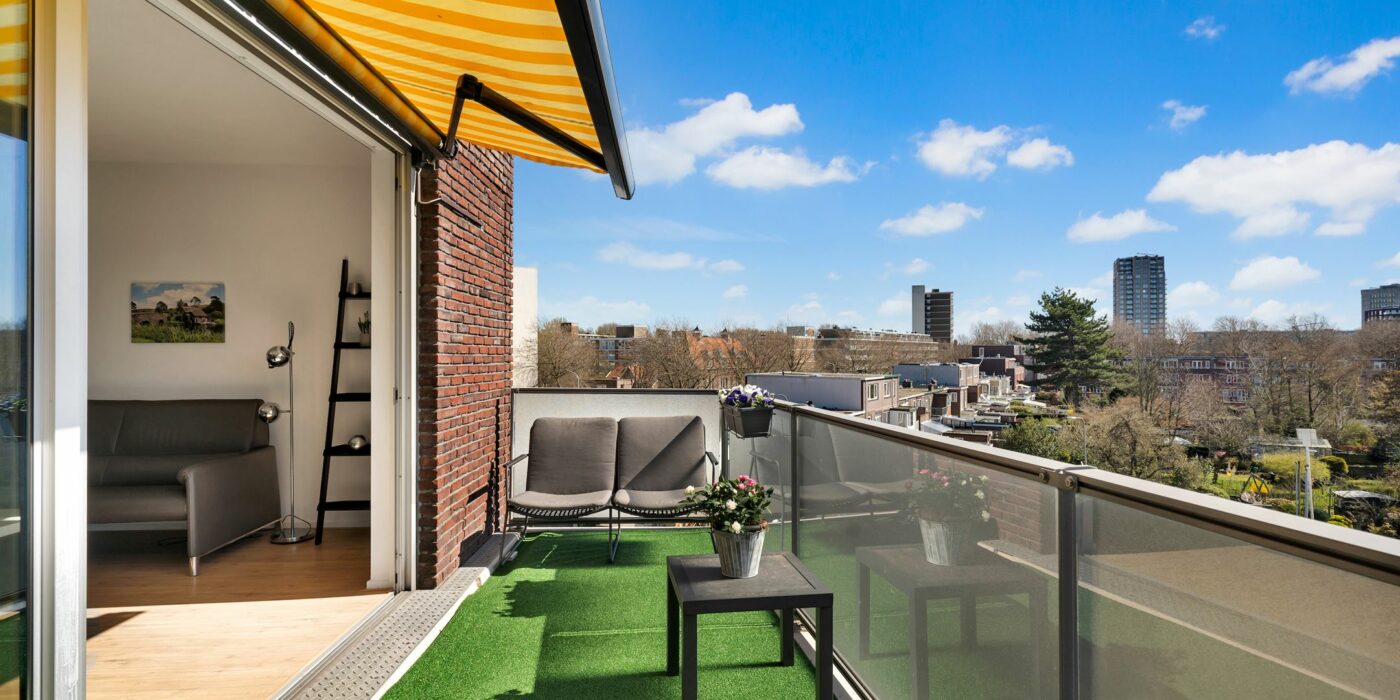
Regionale woningmarkt verschillen
De regionale verschillen op de woningmarkt nemen steeds verder toe

Dat is niet verrassend als je erover nadenkt. De Randstad kent hogere prijzen, meer concurrentie en strakkere voorwaarden. Maar het verschil groeit, en dat is wel degelijk zorgwekkend. Wie in een goedkopere regio koopt, heeft weliswaar lagere maandlasten, maar ook minder waardestijging om later op terug te vallen.

Verduurzaming als stille motor

Opvallend is de groei van de zogeheten niet-kopersmarkt. Dat zijn hypotheekaanvragen die niet voor een aankoop bedoeld zijn, maar voor verbouwingen, oversluiten of verduurzaming. Met 63.436 aanvragen bereikte dit segment het hoogste niveau sinds 2022.

Vooral hypotheekverhogingen voor woningverbetering en verduurzaming namen toe. De overheid duwt huiseigenaren richting warmtepompen, isolatie en zonnepanelen, en dat zie je terug in de cijfers. Toch lijkt de groei hier af te vlakken. Een deel van de inhaalvraag na de rentestijgingen van eerdere jaren is inmiddels ingelost.

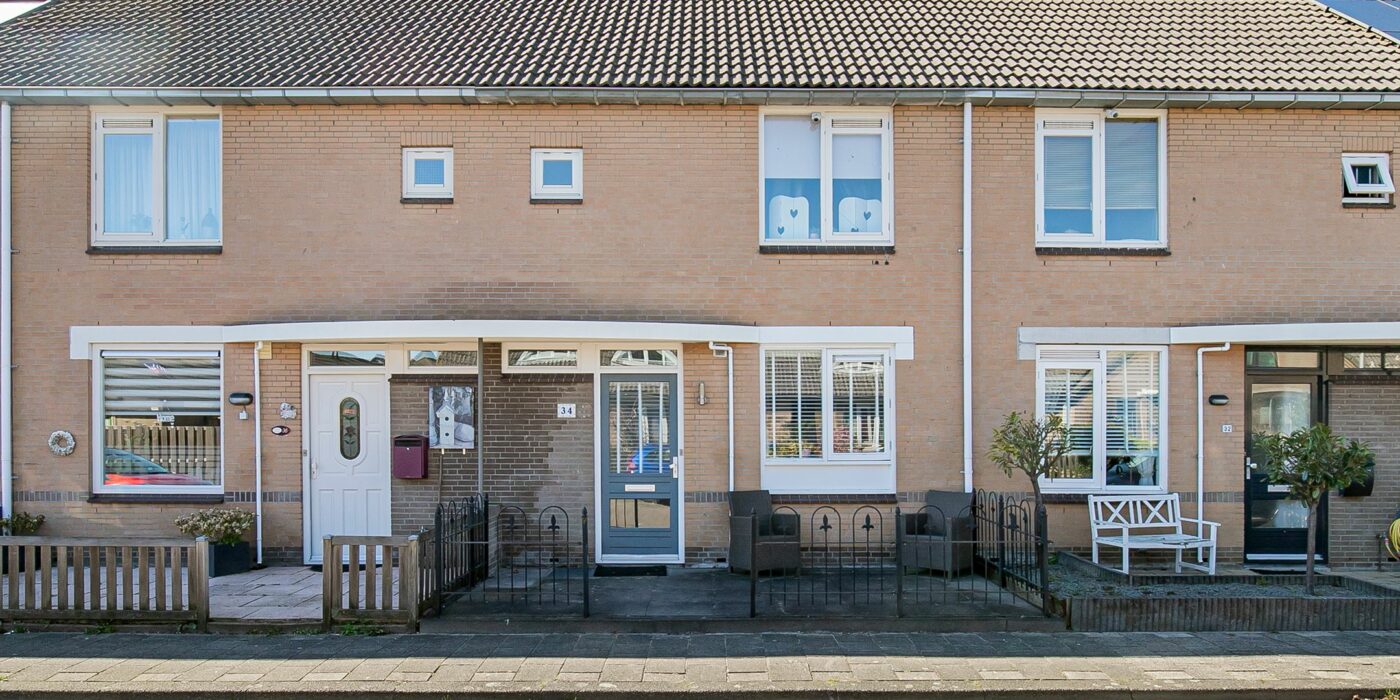
Verduurzaming van woningen
Verduurzaming blijft een belangrijke aanjager van hypotheekaanvragen

Stabilisatie, maar voor wie?

De gemiddelde woningwaarde steeg in het eerste kwartaal met 2 procent tot 517.200 euro. Dat is de kleinste stijging sinds 2023. Je zou kunnen zeggen dat de markt stabiliseert, en dat is op papier goed nieuws.

Maar stabilisatie voor wie? Voor doorstromers die al in de markt zitten, betekent het dat hun vermogen langzamer groeit. Vervelend, maar niet dramatisch. Voor starters betekent het dat woningen nog steeds duurder worden, alleen iets langzamer. De drempel wordt niet lager, hij stijgt alleen minder snel.

Ook analisten van ABN AMRO verwachten dat de huizenmarkt in 2026 afkoelt. Prijzen stijgen licht door, maar het aantal transacties zal dalen. De markt wordt rustiger, maar toegankelijker? Dat is een ander verhaal.

What does this mean for you?

Ben je starter? Dan is het belangrijk om goed te kijken naar je financieringspositie. Een iets hogere rente nu kan over de gehele looptijd tienduizenden euro’s schelen. Laat je niet opjagen door marktonrust, maar wees wel alert op kansen. Een woning met een slecht energielabel kan na verduurzaming juist in waarde stijgen.

Ben je doorstromer? Dan zit je relatief comfortabel, maar onderschat de regionale verschillen niet. De markt in jouw provincie kan er heel anders uitzien dan het landelijke gemiddelde.

En voor iedereen geldt: de woningmarkt van 2026 is er een van nuance. De grote lijnen zien er redelijk uit, maar de details vertellen een heel ander verhaal. Het is die woonkloof waar we ons het meeste zorgen over moeten maken.

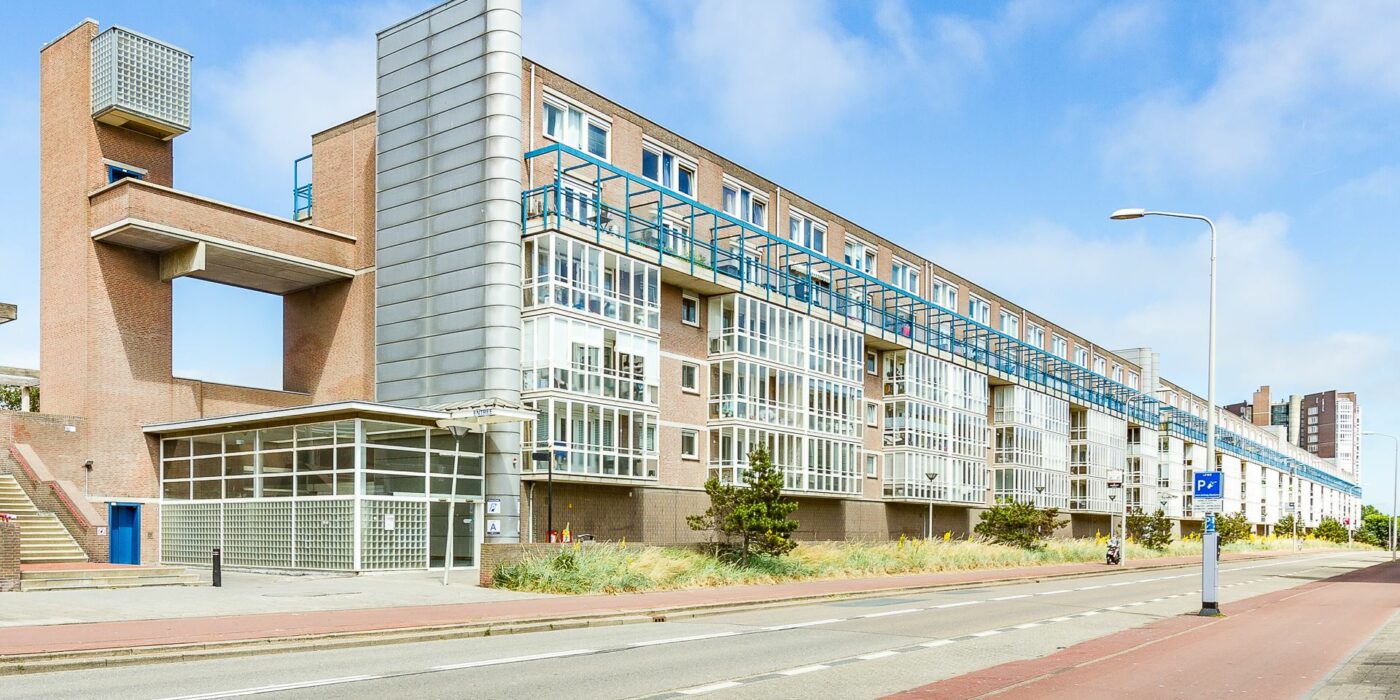
Nederlandse woningmarkt afkoeling
CategoriesNieuws

ABN Amro: woningmarkt koelt af, minder transacties verwacht in 2026

Afkoeling op de woningmarkt: ABN Amro verwacht minder transacties in 2026 en 2027

De Nederlandse woningmarkt gaat een rustiger periode tegemoet. Na een stevig 2025 waarin de prijzen flink opliepen en kopers massaal toesloegen, trekt ABN Amro nu aan de rem met een nuchtere voorspelling: minder transacties, licht stijgende prijzen en een bouwsector die niet kan bijbenen. Wat betekent dat voor jou als koper, verkoper of belegger?

De cijfers liegen er niet om. ABN Amro heeft haar verwachting voor het aantal woningtransacties in 2026 naar beneden bijgesteld, van min 1 procent naar min 3 procent. En voor 2027 ziet het er niet veel beter uit, met een verwachte daling van 4 procent. De bank publiceerde deze conclusies in haar nieuwste Woningmarktmonitor.

Waarom koelt de markt af?

Er spelen meerdere factoren tegelijk. De hypotheekrente kruipt omhoog, gevoed door de verwachting dat de ECB de depositorente dit jaar nog twee keer met 25 basispunten verhoogt. Voor kopers betekent dat simpelweg: je kunt minder lenen voor hetzelfde maandbedrag. Dat schrikt af, zeker starters die toch al moeite hebben om een voet tussen de deur te krijgen.

Daar komt de geopolitieke onzekerheid bovenop. De oorlog in het Midden-Oosten stuwt de energieprijzen, wat de inflatie voedt. En inflatie is de vijand van koopkracht. Het is een keten die uiteindelijk bij de huizenmarkt terechtkomt: hogere kosten, minder vertrouwen, meer aarzeling bij grote aankopen.

Modern woning interieur Nederland
De woningmarkt koelt af, maar de prijzen blijven stijgen door het aanhoudende woningtekort.

Prijzen blijven stijgen, maar gematigd

Hier wordt het interessant. Ondanks de afkoeling verwacht ABN Amro dat de huizenprijzen gewoon blijven stijgen. Met 3 procent in 2026 en zelfs 4 procent in 2027. Hoe kan dat als er minder wordt gekocht?

Het antwoord zit in het woningtekort. Nederland heeft simpelweg te weinig huizen en dat probleem verdwijnt niet zomaar. De reële inkomensgroei van afgelopen jaar werkt ook nog door. Verkopers die hun huis niet voor de gewenste prijs kwijt kunnen, halen het gewoon van de markt. Dat houdt het aanbod krap en de prijzen op peil.

Opvallend is dat de prijsstijgingen in landelijke gebieden momenteel sterker zijn dan in de steden. Het thuiswerkeffect van de coronajaren lijkt dus blijvend. Wie een tuin en ruimte zoekt, kijkt niet meer automatisch naar Amsterdam of Utrecht.

Nieuwbouw woningen Nederland
De nieuwbouwproductie blijft achter bij de vraag naar woningen.

De bouw houdt het niet bij

En dan de nieuwbouw. Of beter gezegd: het gebrek daaraan. In het eerste kwartaal van 2026 lag het aantal nieuwe woningen 7,6 procent lager dan dezelfde periode vorig jaar. Dat is geen goed teken. Mike Langen, senior econoom Woningmarkt bij ABN Amro, is er duidelijk over: hoewel er meer bouwvergunningen worden afgegeven, haperen de uitvoeringsfase door planvorming en beperkte bouwcapaciteit.

Beleggers haken ook af. Institutionele partijen trekken zich op grote schaal terug uit vastgoedinvesteerder Vesteda. De particuliere belegger heeft het door strenge regulering en hogere belastingen evenmin makkelijk. Wie financiert straks al die nieuwbouwprojecten?

Huizen in Nederlandse straat
Beleggers trekken zich terug uit de woningmarkt, wat de financiering van nieuwbouw onder druk zet.

De inhaalslag van 2027

Er is ook een lichtpuntje in de analyse. ABN Amro verwacht dat kopers die nu een pas op de plaats maken, in 2027 terugkomen als de economische situatie stabiliseert. Een soort inhaaleffect dus. De vraag is alleen of het aanbod er dan ook is.

Het uitponden van huurwoningen door beleggers zet in de eerste helft van 2026 nog door. Dat levert tijdelijk extra aanbod op voor kopers. Maar na de zomer droogt die bron waarschijnlijk op. En de structurele woningnood? Die blijft.

Wat betekent dit voor de woningzoeker?

Ben je van plan om dit jaar een huis te kopen? Dan is het zaak om realistisch te zijn. De tijden van blindelings overbieden lijken voorbij, maar verwacht geen koopjesmarkt. De rente is hoger dan twee jaar geleden, het aanbod blijft beperkt en de prijzen dalen niet.

Voor verkopers geldt: geduld loont. Als je niet per se hoeft te verkopen, kun je het je permitteren om even af te wachten. De markt draait niet om, hij kalmeert. Dat is een wezenlijk verschil.

De woningmarkt is als een tanker op zee. Ze verandert niet ineens van koers, maar de stroming verschuift langzaam. En wie goed navigeert, komt er prima doorheen.

Bron: ABN Amro Woningmarktmonitor, april 2026

Nederlandse woningen aan een gracht
CategoriesNieuws

Minder woningen verkocht, maar de prijzen? Die stijgen gewoon door

Het was te verwachten. Na het sterke 2025 wordt het rustiger op de woningmarkt. Niet omdat huizen minder waard worden, want dat gebeurt niet. Maar er worden er simpelweg minder verkocht.

ABN Amro publiceerde begin april haar nieuwste Woningmarktmonitor en de cijfers zijn duidelijk: drie procent minder transacties dit jaar, vier procent minder volgend jaar. Nog geen twee maanden geleden rekende de bank op slechts een procent daling. Dat ze hun prognose zo snel hebben bijgesteld, zegt iets.

De hypotheekrente bijt

De hypotheekrente loopt al maanden op. De ECB verhoogt de depositorente en dat is direct voelbaar bij de hypotheekverstrekker. Hogere maandlasten, lagere maximale hypotheek. Tel daarbij de stijgende energieprijzen door de onrust in het Midden-Oosten, en je snapt waarom mensen voorzichtiger worden.

Vorig jaar bood je zonder blikken of blozen boven de vraagprijs. Nu wacht je even.

Rij Nederlandse huizen met blauwe lucht
Foto: Unsplash

In de Randstad vlakt het af, daarbuiten niet

Wat opvalt in de cijfers: buiten de steden stijgen de prijzen harder dan erbinnen. Dat is een patroon dat economen kennen. Steden lopen voorop in prijsbewegingen, omhoog en omlaag. Als het platteland de steden inhaalt, kan dat betekenen dat de piek in de steden al achter ons ligt.

Meer vergunningen, minder huizen

Er worden meer bouwvergunningen afgegeven, maar het aantal opgeleverde woningen daalde in het eerste kwartaal met 7,6 procent. Hoe kan dat? Het probleem zit niet in de plannen, maar in de uitvoering. Gemeenten zijn traag, aannemers zitten vol, en beleggers haken af.

Stadspanden met balkons
Foto: Unsplash

Dat laatste is misschien het meest zorgwekkend. Grote institutionele partijen trekken zich terug uit de woningbouw. Bij Vesteda bijvoorbeeld stappen investeerders uit. Zonder dat geld worden grote nieuwbouwprojecten een stuk lastiger te financieren.

Mike Langen, senior econoom bij ABN Amro, zegt het zo: “De interesse van beleggers neemt af. Dat zet de financiering van nieuwbouw onder druk.”

Verkopers wachten liever

Verkopers zitten ook niet stil. Of eigenlijk: ze zitten juist wel stil. Veel huiseigenaren verkopen liever niet als ze hun gewenste prijs niet krijgen. Logisch, want hun huis wordt niet minder waard. Maar het gevolg is dat er minder aanbod op de markt komt.

Verhuurders die hun panden verkopen aan particulieren (uitponden) zorgen nog voor enige beweging in de eerste helft van het jaar. Na de zomer droogt ook dat op, verwacht ABN Amro.

Gebouw met Nederlandse vlag
Foto: Unsplash

Wordt 2027 het jaar van de inhaalslag?

De bank denkt van wel. Althans, als de economie niet verder verslechtert. Kopers die nu afwachten, bouwen vraag op. De lonen stijgen nog steeds, dus de koopkracht blijft redelijk op peil. Op een gegeven moment komen die mensen terug.

Maar voorlopig is de markt vooral rustig. De prijzen dalen niet, maar het gaat allemaal wat trager. Minder haast bij het bieden, maar ook minder te kiezen. En als verkoper? Neem de tijd. Die heb je.

Bron: ABN Amro Woningmarktmonitor, april 2026

CategoriesRent Buy your dream home

First-time buyers seize their chance: Take advantage of the wave of rental property sales in major cities

Good news for first-time buyers! More homes were sold in the first quarter of 2025 than in the same period last year, and in major cities, first-time buyers in particular are benefiting from the many rental properties sold by investors

Housing market booms in first quarter

According to recent figures from the Land Registry, almost 51,500 home transactions were registered in the first quarter of 2025. This is a significant increase of 16% compared to the first quarter of 2024. It is striking that this increase is taking place despite the uncertain global economy and declining consumer confidence, factors that normally have a negative effect on the housing market.

First-time buyers dominant in major cities

What is particularly striking in the figures: in the four largest cities (Amsterdam, Rotterdam, The Hague and Utrecht), no less than 62% of all homes sold went to first-time buyers. In total, first-time buyers bought more than 4,800 homes here.

Outside the big cities, the picture is different. There, it was precisely those moving up the housing ladder who bought the most homes. In the areas outside the G4, the share of first-time buyers was 37%, with those moving up the housing ladder buying 17,500 homes compared to 10,200 by first-time buyers.

Why are first-time buyers buying in the city?

First-time buyers continue to benefit from a special trend: former rental homes are ending up on the purchase market in large numbers. In the past quarter, approximately 23,000 households bought their first home - 17% more than in the same quarter of 2024. This number has been rising for five quarters in a row now.

The cause? Investors are relatively often selling their cheaper rental homes, which are then bought up by first-time buyers, especially in the big cities. This offers a unique opportunity for those who have been looking for a first home in an urban area for some time.

Home movers are gaining some ground again

It's not just good news for first-time buyers. Home movers also bought more homes: almost 28,500, which is 15% more than a year earlier. This even allowed home movers to regain a small share of the market, from 53% in the last quarter of 2024 to 55% in the first quarter of 2025.

However, the share of home movers remains historically low. Only during the economic crisis more than ten years ago was their share lower than it is now.

Overbidding stagnates

Interesting for potential buyers: according to recent figures from the housing website Huispedia, buyers bid an average of 4.8% above the asking price of a home in the past quarter. That is about the same as a quarter earlier.

This is striking, because since the beginning of 2023, the average overbidding has increased significantly every quarter. This stagnation started in the fourth quarter of 2024 and is now continuing, which may indicate a stabilization of the market.

What does this mean for you?

Are you a starter looking for your first home? Then this might be the time to explore your opportunities in the big cities. Due to the sale of rental properties by investors, relatively affordable homes are coming onto the market that can be perfect as a first home.

Are you a mover? The current market also offers opportunities for you, now that the overbidding seems to be stabilizing. This could be the right time to take the step to your next home.

Personal advice

At M&D Real Estate we are happy to help you find your way in this dynamic housing market. Whether you are a starter who wants to profit from the sale of rental properties in the city, or a mover who is looking for the perfect next step - we are ready to help you with personal advice.

After reading this article, are you thinking about making your newly purchased home more sustainable? You have also come to the right place for that. Together with our partner https://www.labelbewust.nl we ensure that your new home is not only affordable, but also energy-efficient and future-proof.

Contact us for a no-obligation conversation about the possibilities in your specific situation.

CategoriesSustainability

ING lowers mortgage interest rates for homes with a better energy label

Good news for homeowners and buyers: making your home more sustainable is now immediately rewarded with a lower mortgage rate at ING.

As of April 30, ING has introduced an innovative pricing model for mortgages in which the energy label of a home plays a central role in the interest calculation. Where previously a discount was only given for energy label A or higher, the interest is now adjusted to the specific energy label, from G to A++++.

Who does this new model apply to?

The new pricing model applies to:
– Customers who take out a new mortgage with a fixed interest rate
– Customers who renew their fixed interest period
– Customers who increase their existing mortgage
– Customers who adjust their current mortgage with a new interest rate proposal

Direct benefit from sustainability

The great thing about this arrangement is that if you improve your energy label during the fixed interest period by taking sustainable measures, ING will automatically adjust the interest from the next month. The bank bases this on the new energy label as registered with the Netherlands Enterprise Agency.

Folkert van der Ploeg, Director of Housing at ING Netherlands, states: “We not only want to help our customers achieve energy efficiency, but also to live in a future-proof and comfortable way.”

Triple benefit for homeowners

By investing in the sustainability of your home, you benefit from:
1. Lower mortgage interest rate
2. Higher home value
3. Lower monthly energy costs

Sustainability: Where to start?

Are you considering making your home more sustainable to take advantage of this lower mortgage rate? At M&D Real Estate we are happy to help you make the right decisions for your specific situation.

For the actual implementation, we work together with our specialized partner **Labelbewust**. They transform your home with care and attention to detail, and are specialized in installing sustainable solutions such as solar panels and heat pumps. With Labelbewust, you not only invest in a better energy label, but also in a more comfortable and sustainable home.

Contact us

Do you want to know what this new mortgage scheme can do for you or are you curious about the possibilities for making your home more sustainable? Then contact our office for a free consultation.

*For more information about the sustainability options, you can also take a look directly at http://www.labelbewust.nl.

CategoriesStatus of the Housing Market

23% mortgage requests in first quarter of 2025

The mortgage market is running at full speed! In the first quarter of this year, no less than 23.4% more mortgage applications were submitted than in the same period last year. Are you planning to buy a home or transfer your mortgage? Then this is important information for you.

Record number of mortgage applications

HDN, the organization that registers digital mortgage applications in the Netherlands, recorded no less than 142,076 mortgage applications in the first quarter of 2025. March was even the busiest month since April 2022, with 53,392 applications.

What is striking is that this increase took place despite a turnaround in interest rate developments. After declines in 2024, lenders increased their interest rates again at the beginning and end of the first quarter. Many mortgage advisors and consumers acted quickly to still be able to benefit from the lower rates, which led to clear peaks in week 3 and week 10 of the quarter.

Who applies for a mortgage the most?

Renovators and starters in the lead

If we look at the different customer profiles, we see that 'Renovators' formed the largest group in the first quarter. With 28,081 applications, they accounted for more than 20% of the total. They were followed by:

- 'Starters in the high segment' (15,752 applications)
- 'Upstreamers' (15,734 applications)

Especially starters in the high segment grew considerably, with an increase of 34.4% compared to last year. Younger starters also participated well with a growth of 15.9%.

Remortgage market is picking up again

Also interesting: the remortgage market is gaining strength again. Advisors submitted 11,307 applications for refinancing, an increase of no less than 45.5% compared to the first quarter of 2024. Although this is still far below the record of February 2022 (more than 21,000 applications), the increase shows that consumers are once again showing interest in refinancing.

Major cities and expensive provinces in demand

In the four major cities (Amsterdam, Rotterdam, The Hague and Utrecht), the buyer market picked up above average, with a growth of more than 35%. This increase seems to be strongly related to the selling off of rental properties.

The number of purchase applications also grew significantly in the three most expensive provinces:
- Utrecht (+24.3%)
- Noord-Holland (+26.6%)
- Noord-Brabant (+21.5%)

In Overijssel, growth remained relatively limited at +6%.

Higher house prices and mortgage amounts

The average house value reached a record €508,100 in the first quarter, an increase of 9.4% compared to last year. For purchase purposes, consumers applied for an average mortgage of €370,700, which is 7% more than last year. In the non-buyer market (refinancing and increases), the average mortgage amount was €120,700, an increase of 9.8%.

Young people dominate the market

Figures from De Hypotheker show that home buyers and owners up to the age of 35 contributed to the growth, with an increase of 30%, followed by people aged 55 and over with an increase of 21%.

First-time buyers continue to dominate the housing market. They submitted 56% of all mortgage applications for home purchases. Compared to the same period last year, the number of applications from first-time buyers grew by 23%. Most starters are younger than 35 years old (80%), but their number is also increasing among older age groups. In the past three months, 37% of home buyers between 35 and 45 years old bought their first home.

What does this mean for you?

Are you planning to buy a home?

Are you considering buying a house? Then it is good to know that the market is currently very active, especially in the big cities. The sale of rental properties by investors offers opportunities, especially for starters. However, it is important to take into account the rising house prices and interest rates.

Do you want to transfer or increase your mortgage?

If you are considering transferring or increasing your mortgage, for example for a renovation or sustainability, then you are certainly not the only one. Many homeowners are currently choosing this. Due to the fluctuations in the interest rate, it can be smart to act quickly if you see a favorable rate.

Are you a starter?

As a starter, you are in good company! You currently form the largest group on the housing market. With the right guidance and a good insight into your financial possibilities, you can still find a suitable home, despite the rising prices.

Personal advice at M&D Real Estate

At M&D Real Estate, we closely monitor developments on the mortgage market. We are happy to help you make the right choices in this dynamic market, whether you are a starter, a mover or are considering making your home more sustainable.

Do you want to know what the current market developments mean for your specific situation? Or do you have plans to make your home more sustainable, in which our partner Labelbewust can help? Contact us for a personal consultation. https://www.labelbewust.nl can help? Contact us for a personal consultation.

We are happy to think along with you about your housing needs and possibilities in this active market!

CategoriesSustainability

No subsidy for heat pumps in neighborhoods with future heating network

Are you considering a heat pump for your home? Then it is important to know that there are changes coming to the subsidy policy, which may affect your sustainability plans.

New climate plans influence heat pump subsidy

Minister Sophie Hermans of Climate and Green Growth recently presented new climate plans stating that homeowners in neighborhoods where a heating network is planned will no longer be eligible for subsidies for a heat pump in the coming years. This measure is intended to get the stalled construction of heating networks going again.

The minister must still investigate whether this exclusion is legally feasible and enforceable. This means that it is important to inquire well about the status of your district before making investment decisions.

Vereniging Eigen Huis uit zorgen

The Dutch Homeowners' Association has already criticised these plans. They believe that consumers should retain the freedom to choose an alternative to gas. Furthermore, the association points out that the construction of a heating network can often take years. In the interim period, it can still be useful to install a heat pump.

Which measures will continue to be supported?

Even though the policy surrounding heat pumps is changing, there are still opportunities for sustainability with subsidies:

– Homeowners will continue to receive subsidies for insulation measures in the coming years
– In the future, new heat pumps must be able to be controlled intelligently
A special action plan will be introduced to promote bidirectional charging, whereby electric cars can also serve as a home battery for homes

What does this mean for you?

If you have sustainability plans for your home, it is now more important than ever to get good advice. At M&D Real Estate, we are happy to help you understand the subsidy and sustainability options that best suit your situation.

Do you live in a neighbourhood where a heating network may be installed? Then we can work with our partner Labelbewust to see which options are most beneficial for you, both in the short and long term.

Alternative sustainability options

Even if a heat pump is no longer eligible for subsidy in your neighbourhood, there are still several ways to make your home more sustainable:

Insulation measures (roof, floor, cavity wall and glass)
Solar panels (despite the lack of additional incentives in the new plans)
Hybrid heating systems
Smart energy management systems

Personal advice

Do you want to know what the changing regulations mean for your specific situation? Our experts from M&D Real Estate and Labelbewust are ready to draw up a suitable sustainability plan with you. This way you are well prepared for future developments and you make optimal use of the available subsidies.

Contact us for a no-obligation discussion about the possibilities for your home.

For more information about sustainable solutions, you can also take a look at http://www.labelbewust.nl.*

CategoriesMortgage Rates

Good news for home buyers, mortgage rates are falling again

Are you looking for a home or are you considering refinancing your mortgage? Then there is good news: the recent increase in mortgage rates is already over. Rates are falling, which can be beneficial for your housing plans.

The short-term interest rate increase

At the end of January, we saw the highest increase in mortgage rates since October last year. The interest rate for a mortgage with a fixed interest rate period of ten years rose by 0.11% to 3.65% in January. But this increase appears to have been short-lived. This has now come to an end and we are even seeing falling rates again.

Current interest rates

According to De Hypotheker, the mortgage rate for ten years fixed with NHG is currently around 3.3%. This is a significant decrease compared to the peak in January. Van Bruggen Adviesgroep also confirms this trend and reports that various lenders have implemented slight reductions since the beginning of this month.

What explains this fall in interest rates?

The recent fall in mortgage rates can be explained by several factors:

- US President Donald Trump initially announced high import tariffs for Canada, Mexico and China, which made investors fear inflation
- After Trump withdrew the tariff increase for Canada and Mexico, long-term interest rates on the financial markets fell immediately
- The development of inflation in the eurozone plays an important role in the interest rate policy of the European Central Bank (ECB)

Future expectations

The development of interest rates remains uncertain for the short and medium term. Much depends on inflation in the eurozone. If inflation is low, the ECB may decide to lower the interest rate as well, which would be beneficial for mortgage rates.

In January, the ECB indicated that it would probably lower the interest rate by 0.25% in March. However, in January, inflation in the eurozone unexpectedly rose to 2.5% - the fourth month in a row with an increase. If inflation does not fall quickly, there is a chance that the ECB will not lower the interest rate in March after all.

In addition, the unpredictable course of US President Trump makes it difficult to predict long-term interest rate developments.

What does this mean for you?

If you are planning to buy a home or transfer your mortgage, this may be a good time to take action. Interest rates are currently relatively low, and there is uncertainty about how they will develop in the future.

It may be wise to explore your options now and seek advice on what is the best choice in your specific situation. It may be useful to take advantage of the current interest rate drop, especially if you want certainty about your monthly payments for a longer period of time.

Personal advice from M&D Real Estate

At M&D Real Estate, we closely monitor interest rate developments. We understand that choosing a mortgage and the associated fixed-rate period is an important decision that has a major impact on your monthly payments.

Do you want to know what the current interest rate drop means for your specific situation? Or are you curious about the possibilities of buying a new home or adjusting your current mortgage? Please contact us for a personal consultation.

Are you also thinking about sustainability when buying a new home? Our partner https://www.labelbewust.nl can help you make your home more energy-efficient, which is not only good for the environment but also for your wallet.

We are happy to think along with you about the best strategy in this dynamic interest market!